
Freeze-Dried Fruits & Vegetables: What International Buyers Need to Know
Freeze-dried fruits and vegetables have become an increasingly useful ingredient format for international food businesses looking for lightweight, stable and convenient ingredients for commercial applications.
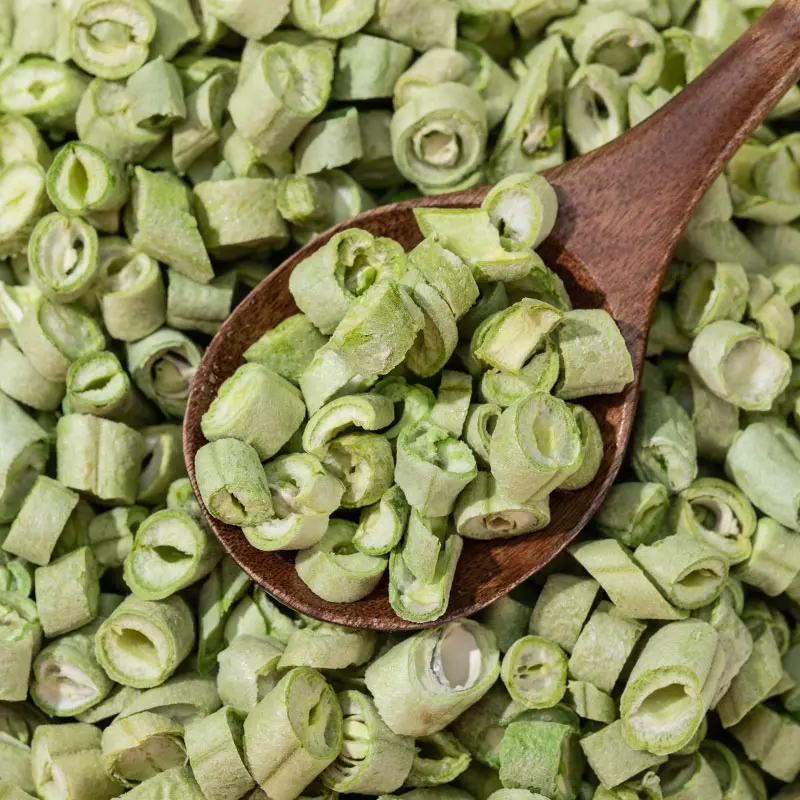
What makes freeze-dried ingredients different?
Freeze-drying is a controlled preservation process used to remove moisture from a frozen product while helping retain many of the characteristics of the original ingredient.
For international food buyers, the attraction is not simply that the product is dried. The format can provide a combination of low moisture, reduced weight, convenient handling and extended shelf stability when appropriately packed and stored.
The commercial suitability of a freeze-dried ingredient ultimately depends on the product, specification, application, packaging and destination-market requirements.
How does freeze-drying work?
Freeze-drying uses controlled low-temperature processing to remove moisture from a frozen product.
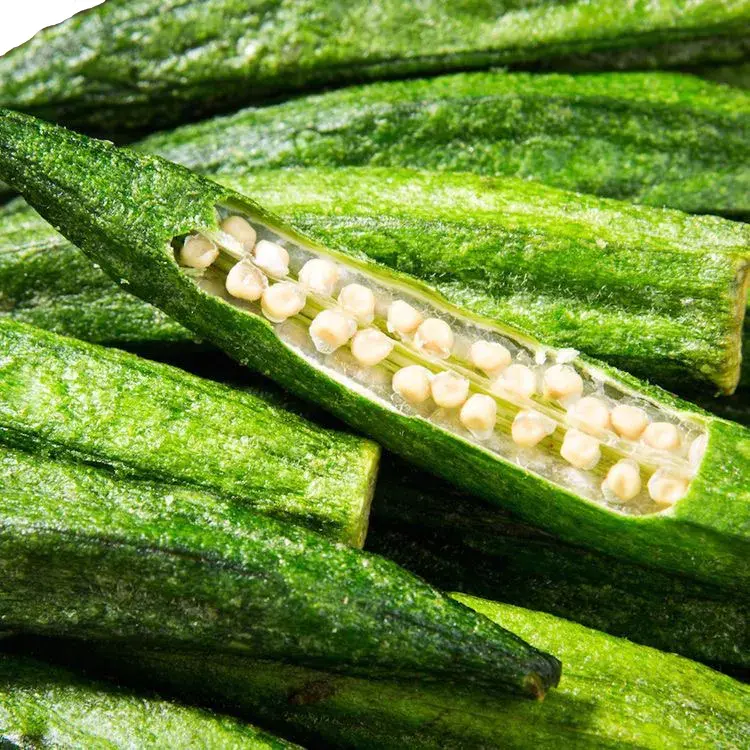
From fresh ingredient to lightweight commercial format
The product is first frozen. Under controlled conditions, moisture is then removed from the frozen material through a drying process carried out under reduced pressure.
The objective is to remove moisture while helping preserve the physical characteristics of the ingredient.
-
01Selection Suitable fruits or vegetables are selected according to the required specification.
-
02Preparation The product is prepared into the required commercial form.
-
03Freezing The prepared ingredient is frozen under controlled conditions.
-
04Freeze-Drying Moisture is removed under controlled low-temperature conditions.
-
05Packaging The finished ingredient is packed according to product and commercial requirements.
Why do international buyers choose freeze-dried ingredients?
The advantages can be particularly relevant when ingredients need to move through international supply chains.
Low Moisture
Freeze-drying removes a substantial amount of moisture from the product, producing a dry ingredient suitable for appropriate shelf-stable applications.
Lightweight Handling
Removing moisture can significantly reduce the weight of the ingredient compared with its fresh form, which can simplify handling and transportation.
Convenient Storage
When correctly packed and stored, freeze-dried ingredients can offer convenient storage characteristics for commercial buyers.
Product Characteristics
The process is designed to help retain characteristics such as structure, flavour and colour compared with some conventional drying approaches.
Easy Ingredient Handling
The finished product can be supplied in formats designed for direct use or further incorporation into food products.
Commercial Versatility
Freeze-dried fruits and vegetables can be used across a wide range of food and ingredient applications.
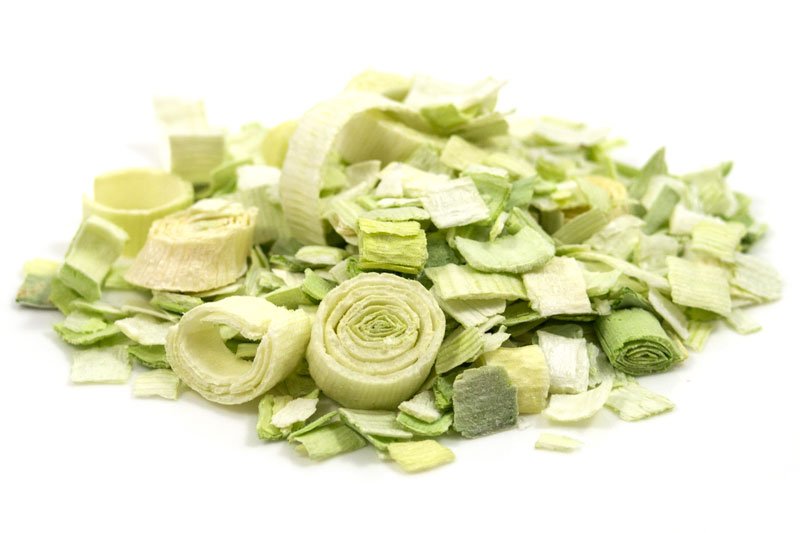
What forms can freeze-dried fruits and vegetables be supplied in?
The appropriate format depends on the product and intended application.
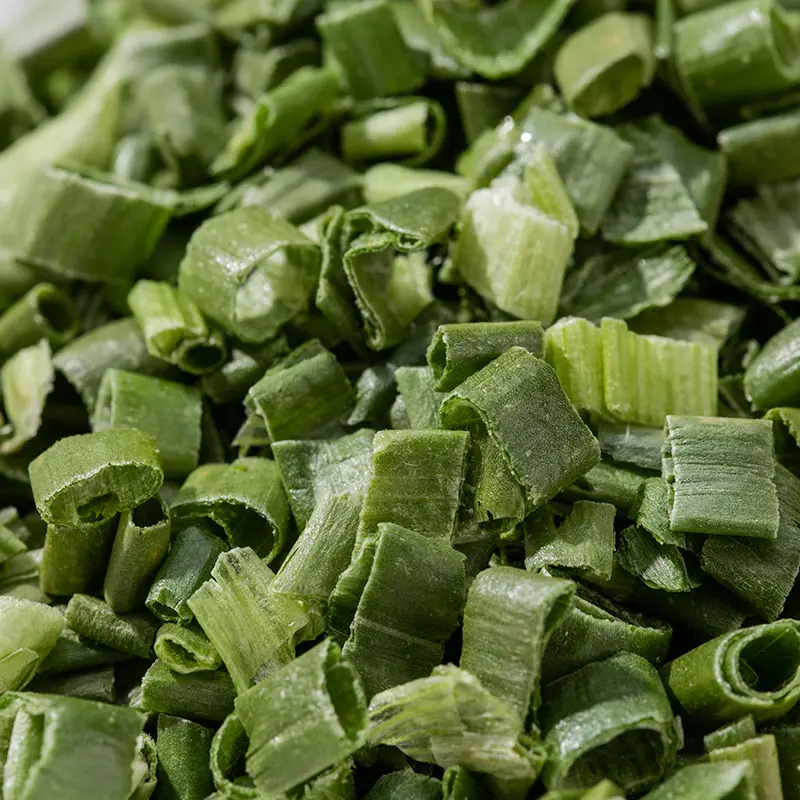
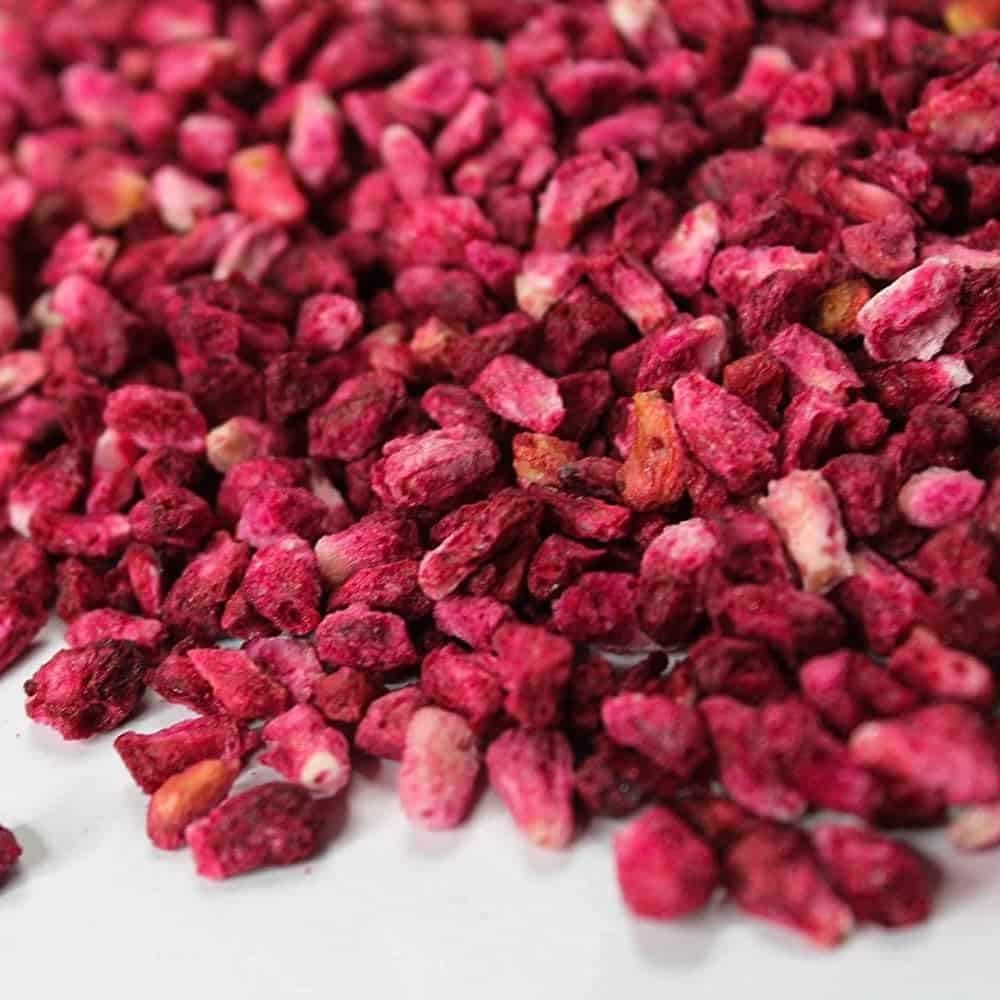
Pieces
Suitable for snacks, toppings, cereals and ingredient applications.
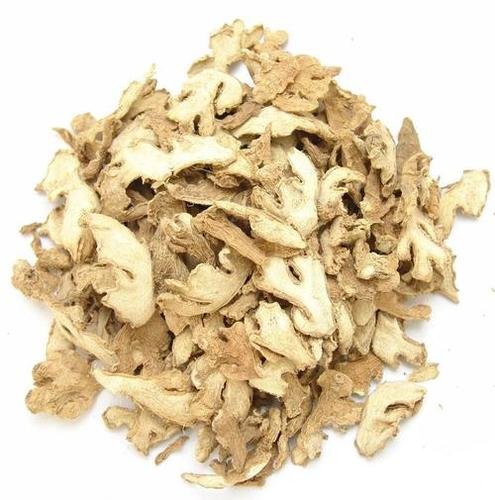
Slices
Suitable for fruits and vegetables used in snacks, toppings and formulations.
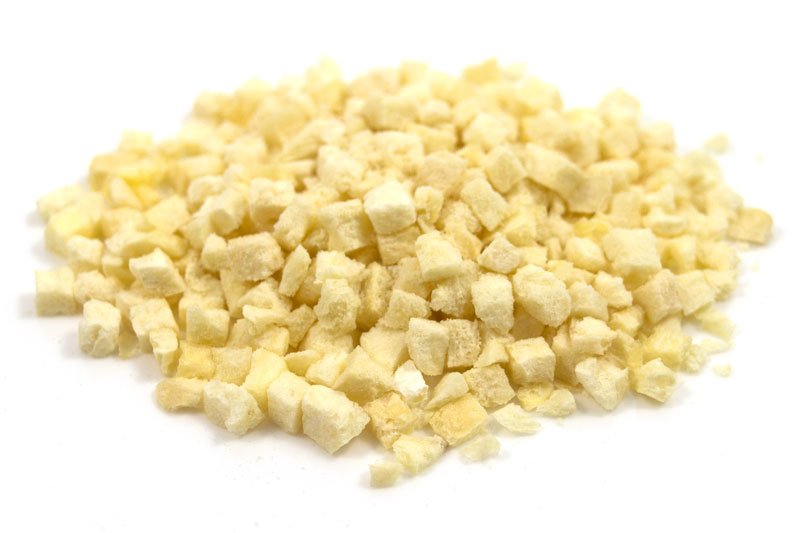
Cuts / Granules
Useful for blends, food manufacturing and further processing.
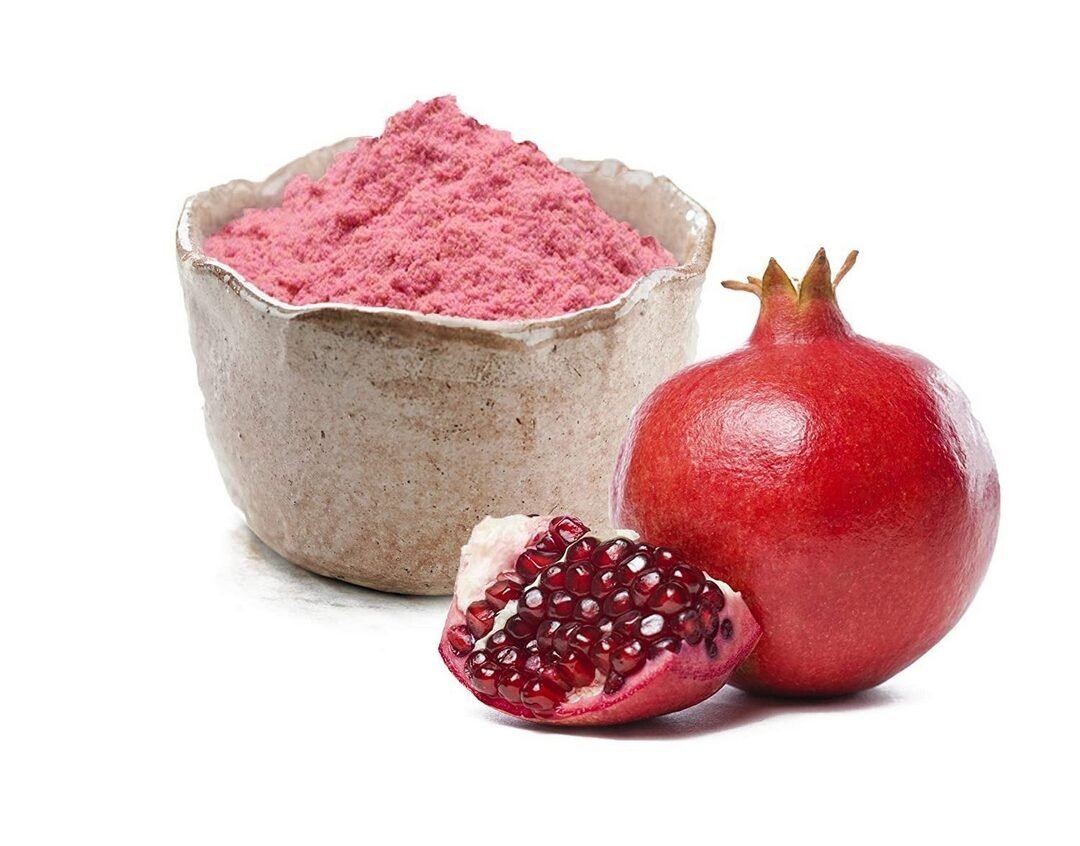
Powders & Fine Ingredients
Suitable for formulations, blends, beverages and ingredient applications.
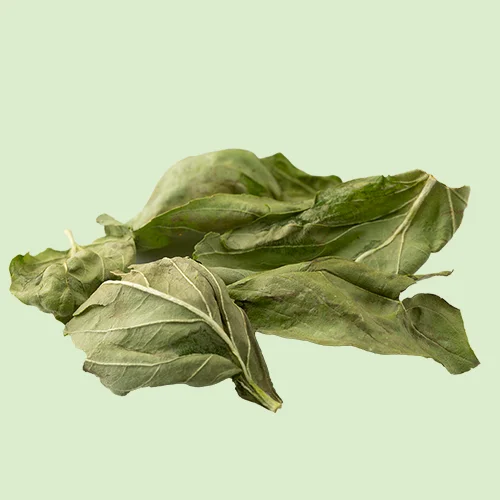
Where are freeze-dried ingredients used?
Freeze-dried fruits and vegetables can be incorporated into a wide range of commercial food products.
What should buyers specify when sourcing freeze-dried products?
A clear product specification helps suppliers understand exactly what is required and allows commercial discussions to move more efficiently.
What quality information should international buyers review?
Requirements vary by product, application and destination market. Buyers should communicate their specifications before production or shipment.
For commercial food ingredients, the product specification is only one part of the sourcing process. International buyers may require laboratory testing and supporting documentation based on the product and destination market.
A Certificate of Analysis can be used to document relevant product parameters and test results for a particular batch. Depending on the product and buyer requirements, additional testing may also be relevant.
The exact documentation required for import should always be assessed according to the destination country's regulations and the specific commodity.
Documentation May Include
- Certificate of Analysis (COA)
- Microbiological Testing
- Heavy Metal Testing
- Pesticide Residue / MRL Testing
- Product Specifications
- Organic Documentation, Where Applicable
- Certificate of Origin
- Phytosanitary / Health Documentation, Where Applicable
- Batch & Traceability Documentation
Freeze-dried products for international markets
Export requirements can vary considerably between countries and products.
Destination Requirements
Import documentation, food regulations, labelling and other requirements can differ by destination market.
Organic Requirements
Where organic products are required, certification and supporting documentation should be discussed according to the destination market.
Packaging
Packaging should be selected to protect the product from moisture and environmental exposure during storage and transportation.
Logistics
The relatively lightweight nature of freeze-dried ingredients can be useful for international commercial logistics, subject to shipment requirements.
Testing
Product-specific testing can be arranged or reviewed according to buyer specifications and destination-market requirements.
Traceability
Batch-level product information and supporting documentation can be important for commercial food supply chains.
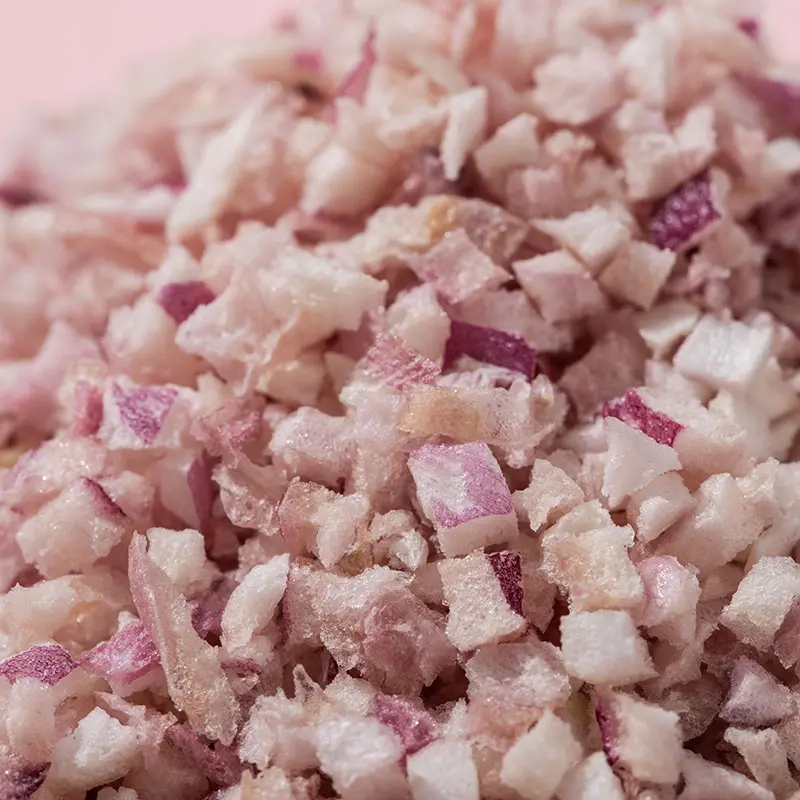
Sourcing freeze-dried products from India
India has a broad agricultural supply base across fruits, vegetables, herbs and other food ingredients. International sourcing, however, involves more than identifying a product.
TAGE coordinates sourcing and export requirements with Indian sourcing and processing partners to supply agricultural and processed food products according to buyer and destination-market requirements.
For freeze-dried products, buyers can discuss product format, quantity, specifications, packaging, testing, certification requirements and destination before proceeding with a commercial enquiry.
Explore Our Assortment →Freeze-Dried Fruits & Vegetables
What is freeze-drying?
Freeze-drying is a controlled low-temperature preservation process in which moisture is removed from a frozen product under reduced pressure. It is used to produce dry, lightweight ingredients while helping retain characteristics of the original product.
What are freeze-dried fruits and vegetables used for?
They can be used in snacks, cereals, granola, bakery, confectionery, nutrition products, toppings, ingredient blends and other commercial food applications.
What formats are available?
Depending on the product, freeze-dried ingredients can be supplied as pieces, slices, cuts, granules and powders. Specific formats depend on the product and buyer requirements.
Are freeze-dried products suitable for international shipping?
Freeze-dried products are designed as dry ingredients and can be suitable for international commercial supply when appropriately packaged, stored and shipped. Destination-specific import requirements should always be reviewed.
Can buyers request laboratory testing?
Yes. Product-specific testing and documentation can be discussed according to buyer requirements, product specifications and destination-market requirements.
Can TAGE supply organic freeze-dried products?
Organic sourcing and certification requirements can be discussed according to the product and destination market. Buyers should specify their required certification before requesting a commercial quotation.
What information should I send when requesting a quotation?
Provide the product, required format, quantity, destination country, packaging preference and any quality, testing or certification requirements you have.
Looking for Freeze-Dried Ingredients from India?
Tell us the product, format, quantity and destination. TAGE can discuss availability, specifications, packaging, documentation and commercial requirements for your market.
Start Your Trade Enquiry →