
Freeze-Dried vs Air-Dried vs IQF: Which Format Is Right for Your Application?
When sourcing fruits and vegetables internationally, the product itself is only part of the decision. The processing format can affect how the ingredient is stored, transported, handled and ultimately used in a finished product.
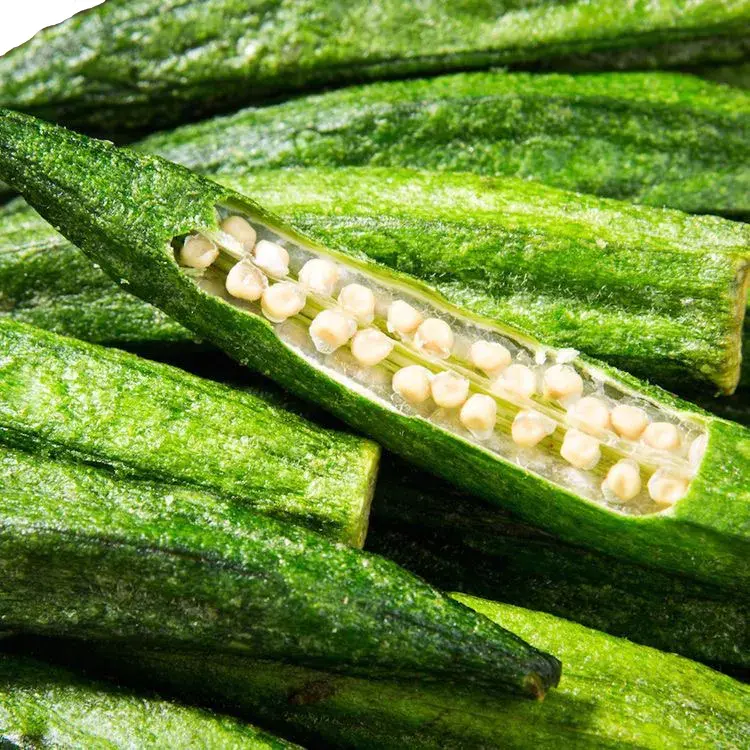
Which processing format is right for your business?
At TAGE, we supply freeze-dried, air-dried and IQF fruits and vegetables for international buyers.
There isn't one answer for every business. The right choice depends on your intended application, storage requirements, product characteristics, logistics and commercial considerations.
The same fruit or vegetable can serve completely different commercial purposes depending on whether it is supplied freeze-dried, air-dried or individually quick frozen.
Freeze-dried ingredients for lightweight, dry applications
Freeze-drying removes moisture from a product at low temperatures under controlled conditions.
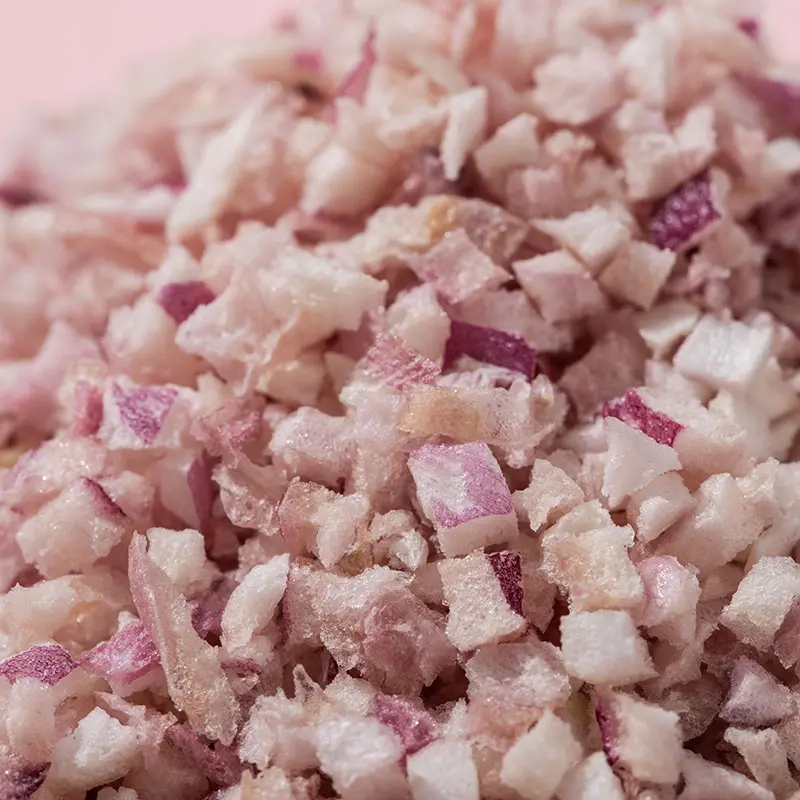
Why buyers choose freeze-dried products
The process is particularly useful when maintaining the characteristics of the original ingredient is important.
Freeze-dried ingredients can be considered for applications such as snacks, cereals, granola, bakery, confectionery, nutrition products, ingredient blends and toppings.
Air-dried and dehydrated ingredients for manufacturing
Air-drying, or dehydration, removes moisture using controlled drying conditions.
A practical dried format for food manufacturing
Air-drying is widely used for ingredients that need to be stable, convenient to store and suitable for further processing.
Depending on the product and specification, air-dried ingredients can be supplied in forms such as slices, pieces, flakes, granules and powders.
For buyers primarily looking for a stable dried ingredient for manufacturing or formulation, air-dried products can be a practical choice.
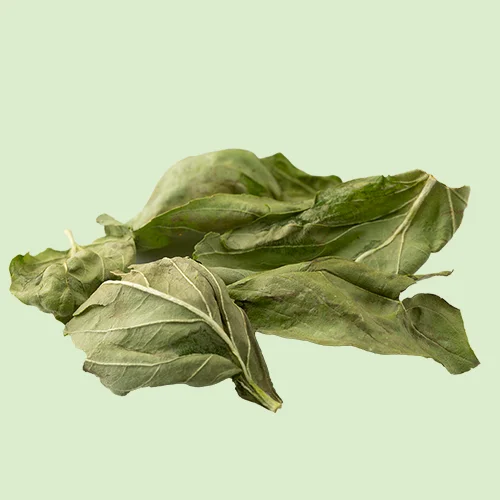
IQF fruits and vegetables for frozen applications
IQF stands for Individually Quick Frozen. Unlike dried products, IQF products remain frozen and are handled through a cold-chain supply system.
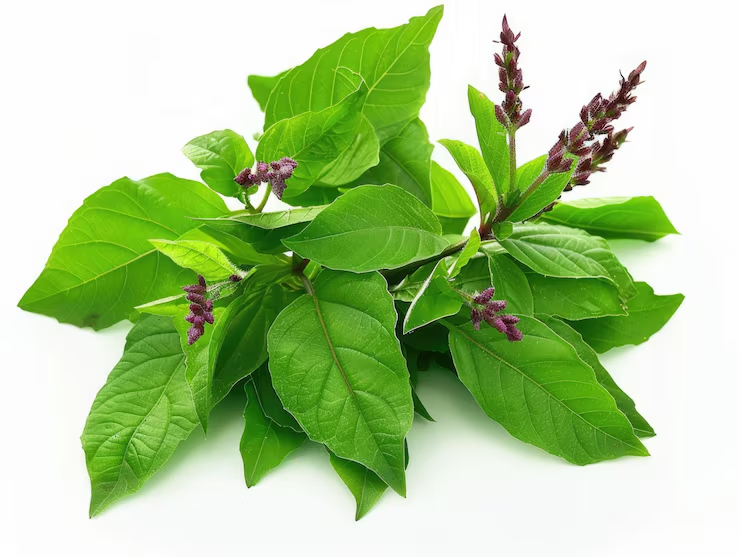
Frozen ingredients with individual-piece handling
The individual pieces are quickly frozen so they can be handled separately rather than forming one large frozen block.
IQF fruits and vegetables can be suitable for applications where maintaining a frozen ingredient format is preferred.
Typical applications include food manufacturing, ready meals, foodservice, desserts, smoothies, bakery and further processing.
Three formats. Different commercial purposes.
A simple comparison can help narrow down the format that best matches your application.
Freeze-Dried
Best suited to lightweight dried applications where product characteristics and convenient handling are important.
- Lightweight dried ingredient
- Low moisture
- Convenient storage
- Snacks & toppings
- Ingredient applications
Air-Dried
A practical dried format for manufacturing, culinary applications and further processing.
- Stable dried ingredient
- Manufacturing
- Seasonings
- Soups & sauces
- Flakes, slices & powders
IQF
Best suited to applications where a frozen ingredient format and cold-chain supply are preferred.
- Frozen ingredient
- Individual pieces
- Foodservice
- Ready meals
- Frozen applications
| Requirement | Freeze-Dried | Air-Dried | IQF |
|---|---|---|---|
| Lightweight dried ingredient | Best suited | Suitable | Not applicable |
| Dried applications where product characteristics matter | Best suited | Suitable depending on specification | Not applicable |
| Stable ingredient for manufacturing | Suitable | Best suited | Suitable depending on application |
| Slices, flakes, pieces or powders | Suitable depending on product | Best suited | Suitable depending on product |
| Frozen fruit or vegetable application | Not applicable | Not applicable | Best suited |
| Foodservice / frozen applications | Possible depending on application | Possible depending on application | Best suited |
| Cold-chain infrastructure | Not normally required | Not normally required | Required |
The processing format can change the commercial application
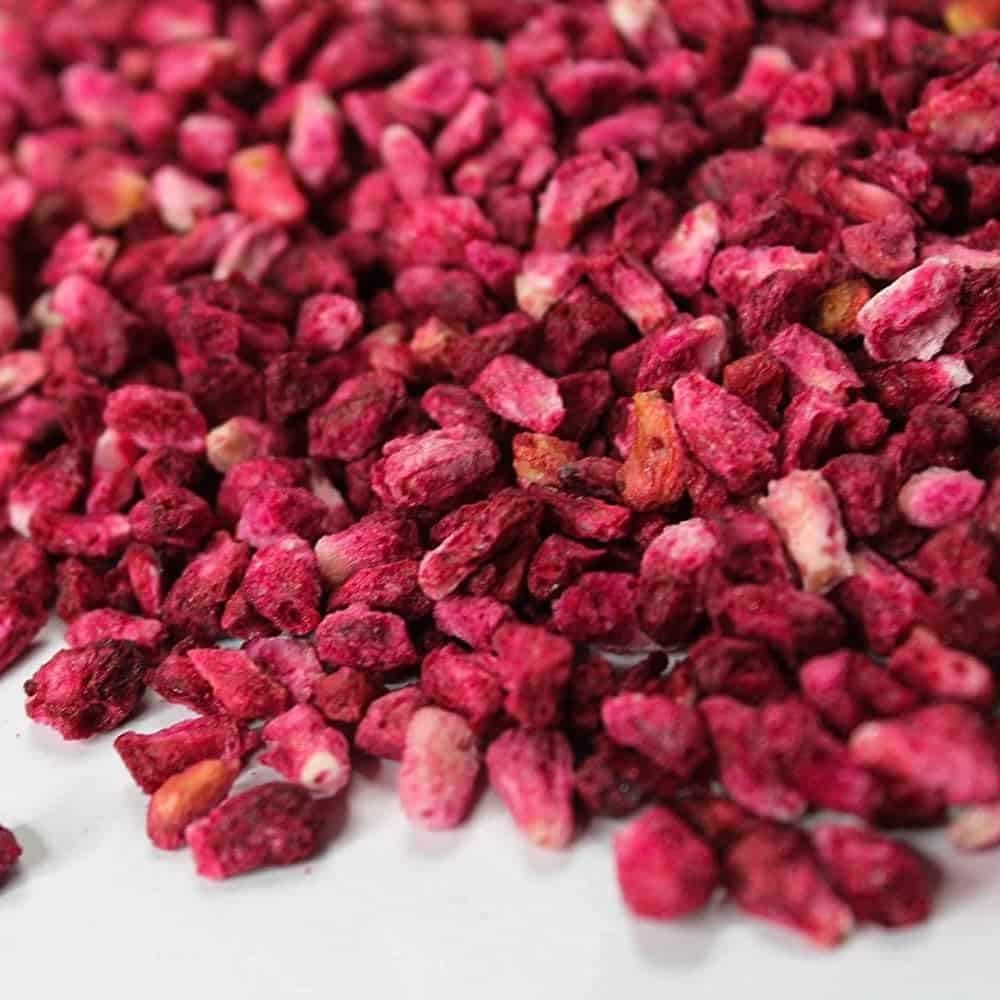
Freeze-dried pomegranate arils vs IQF pomegranate arils
The fruit is the same, but the commercial format can be completely different.
Freeze-dried pomegranate arils may be considered for lightweight dried applications, toppings, snacks, cereals and ingredient formulations.
IQF pomegranate arils may instead be selected where the buyer requires a frozen ingredient and has the appropriate cold-chain infrastructure.
This is why selecting the processing format should happen alongside the product specification rather than after it.
What should buyers consider before ordering?
A clear specification helps suppliers understand the intended application and allows sourcing, processing and logistics requirements to be assessed more efficiently.
Sourcing the right format from India
India has a broad agricultural supply base, but international sourcing is about more than simply finding a product.
Buyers need to consider the complete commercial requirement — from product specification and processing through quality, documentation, packaging, logistics and destination requirements.
At TAGE, our role is to coordinate these requirements for international buyers looking to source agricultural and processed food products from India.
One sourcing partner. Multiple processing formats.
TAGE works with sourcing and processing partners to supply freeze-dried, air-dried and IQF fruits and vegetables according to the requirements of international buyers.
Whether your requirement is a lightweight freeze-dried ingredient, a stable air-dried component for manufacturing or an IQF product for frozen applications, the starting point is understanding your product, format, quantity and destination.
We can discuss availability, specifications, packaging, testing, certification requirements and commercial quotation requirements for your market.
Explore Our Assortment →Freeze-Dried vs Air-Dried vs IQF
What is the difference between freeze-dried and air-dried products?
Both are dried ingredient formats, but they use different processing approaches. Freeze-drying removes moisture from a frozen product under controlled low-temperature conditions, while air-drying or dehydration uses controlled drying conditions to remove moisture.
What does IQF mean?
IQF means Individually Quick Frozen. The product remains frozen, with individual pieces quickly frozen so they can generally be handled separately rather than forming one large frozen block.
Which format is best for lightweight international shipping?
Freeze-dried and air-dried products are dry formats and can be useful where lightweight ingredient handling is important. The appropriate choice depends on the product, application, packaging and commercial requirements.
Does IQF require cold-chain transportation?
Yes. IQF products remain frozen and therefore require appropriate frozen storage and cold-chain transportation throughout the relevant supply chain.
Can the same fruit be supplied in different formats?
Yes. Depending on the product and processing availability, the same fruit or vegetable may be supplied as freeze-dried, air-dried or IQF, with each format serving different commercial applications.
Which format is best for food manufacturing?
There is no universal answer. Air-dried products can be practical for many manufacturing and formulation applications, while freeze-dried and IQF formats may be preferable where their specific characteristics suit the intended product.
Can TAGE supply all three formats?
TAGE supplies freeze-dried, air-dried and IQF fruits and vegetables for international buyers, subject to product availability, specification and sourcing requirements.
What information should I send when requesting a quotation?
Provide the product, preferred processing format, required form, quantity, destination country, packaging preference and any quality, testing or certification requirements.
Looking for a Specific Product Format?
Tell us the product, processing format, quantity and destination. TAGE can discuss availability, specifications, packaging and quotation requirements for your market.
Talk to TAGE →